Last month, Tom, a 28‑year‑old graphic designer from Manchester, was stuck in a 45‑minute bus ride to a client meeting. He pulled out his phone, opened a new puzzle game, and within ten minutes he was halfway through a level that required three‑handed coordination. By the time the bus stopped, he had earned 1,200 points and unlocked a new character. That simple moment turned a dull commute into a highlight of his day, and it’s a snapshot of how mobile gaming is reshaping what Brits consider entertainment.
The Numbers Behind the Screens
According to the UK Digital, Culture, Media and Sport department, 87 % of adults own a smartphone, and 62 % admit to playing games on it at least once a week. That translates to roughly 36 million people engaging with mobile games daily. In 2023, the sector generated £1.3 billion in revenue, up 12 % from the previous year. The growth is uneven: casual puzzle titles bring in 45 % of the total spend, while strategy and role‑playing games account for the remaining 55 %. These figures show that mobile gaming is no longer a niche hobby; it’s a mainstream pastime competing with traditional TV and streaming services for our attention.
Short‑Form, High‑Impact Entertainment
One of the biggest shifts is the move from long, immersive sessions to bite‑size gameplay. A typical mobile session lasts about 7 minutes, yet players can accumulate 20–30 sessions a day. This pattern aligns with the modern “micro‑break” culture: a quick game during a coffee break, a 2‑minute match while waiting for a bus, or a 5‑minute puzzle before bed. The result is a fragmented but constant stream of entertainment that keeps users engaged throughout the day.
Social Connectivity and Community Building
Mobile games now routinely integrate social features that rival those of traditional social media. In 2023, 68 % of mobile titles offered in‑game chat or guild systems. Players can join a community of up to 200 members, share strategies, or compete in real‑time leaderboards. These social layers create a sense of belonging that extends beyond the screen, encouraging users to return and interact repeatedly. For many, the game becomes a social hub, replacing or supplementing face‑to‑face gatherings.
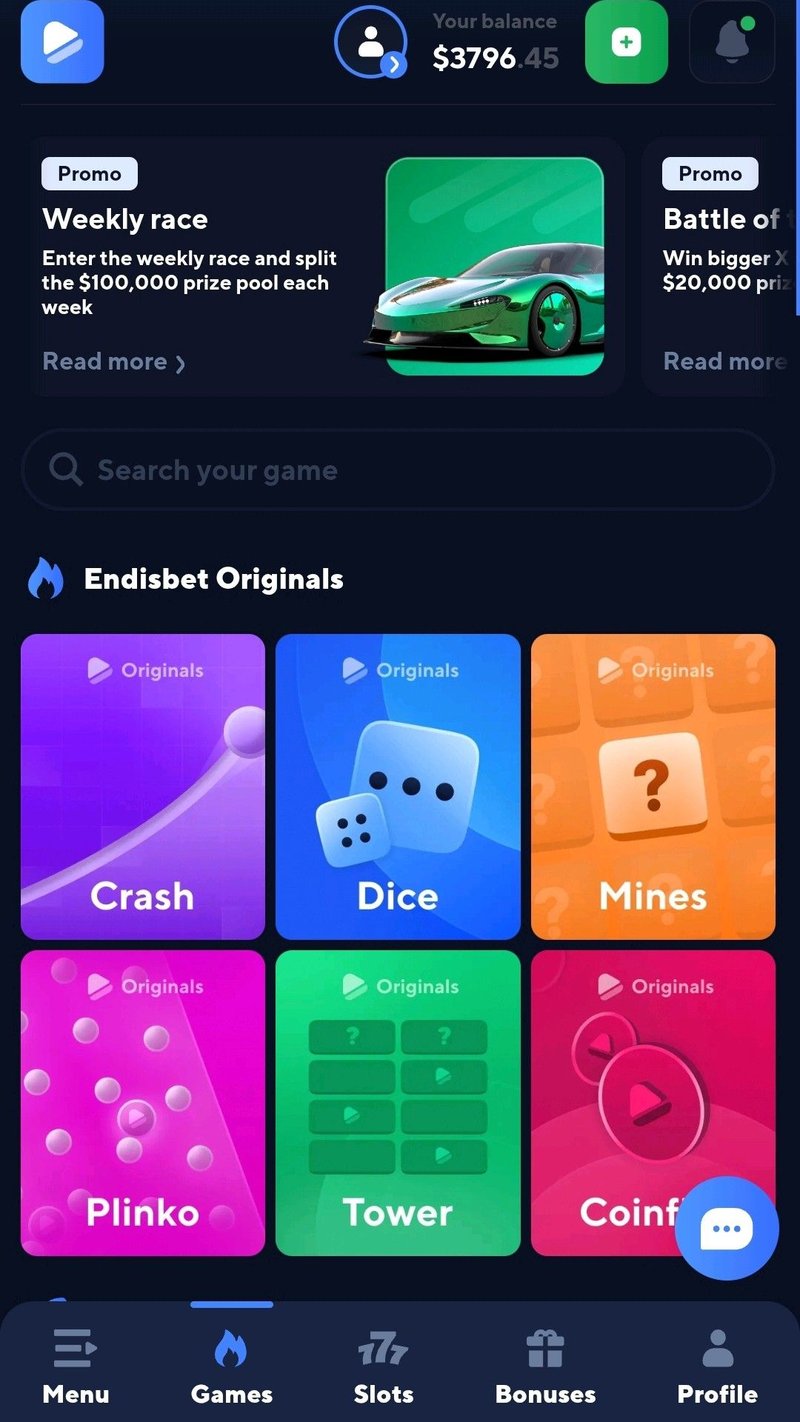
If you’re looking for a casino‑style experience that blends quick wins with community interaction, Open here.
Economic Ripple Effects
Beyond the individual, the mobile gaming industry is a significant job creator. In 2023, the sector employed 14,000 people in the UK, from developers to community managers. Moreover, the rise of mobile esports tournaments has attracted sponsorships worth £15 million, opening new revenue streams for local businesses and event organizers. Small indie studios, often based in cities like Leeds or Glasgow, are now able to fund projects through crowdfunding and early access sales, diversifying the creative economy.
Accessibility and Inclusivity
Unlike console or PC games that require dedicated hardware, mobile titles are accessible to anyone with a phone. This inclusivity has broadened the player base to include older adults and people with limited mobility. Developers are responding by designing games with adjustable difficulty, color‑blind modes, and voice‑control options. In 2022, 23 % of mobile games received accessibility certifications, a number that has doubled in the last year.
Challenges on the Horizon
Not all is smooth sailing. The rapid growth has attracted scrutiny over data privacy and in‑app purchases. In 2023, the UK’s Information Commissioner’s Office fined three major studios £2.4 million for non‑compliance with GDPR. Players also report “pay‑to‑win” mechanics that can erode enjoyment for those unwilling to spend extra money. These issues highlight the need for clearer regulations and better consumer education.
From Pocket to Playroom: A Natural Bridge
When you’re scrolling through a news feed and a notification pops up about a new game update, it’s easy to see how mobile gaming has become a bridge between casual scrolling and more immersive online entertainment. If you’re curious about how these trends translate into the world of online gaming, Open here to explore a platform that blends quick access with a robust community.
Looking Ahead
As 5G rollout continues and AR/VR technologies mature, the line between mobile and console gaming will blur further. Expect games that overlay digital layers onto real‑world environments, allowing players to interact with their surroundings in unprecedented ways. For now, the simple act of tapping a screen remains a powerful force, reshaping how Britons spend their leisure time, connect with others, and even support local economies.
Final Thoughts
Mobile gaming has moved from a niche pastime to a central pillar of Britain’s entertainment landscape. Its short, social, and accessible nature makes it a compelling alternative to traditional media. While challenges around privacy and monetisation persist, the industry’s growth signals a lasting shift in how we play, connect, and spend our free time.